We Broke Up With Our Favorite Celebrities — and Honestly, It Was Long Overdue
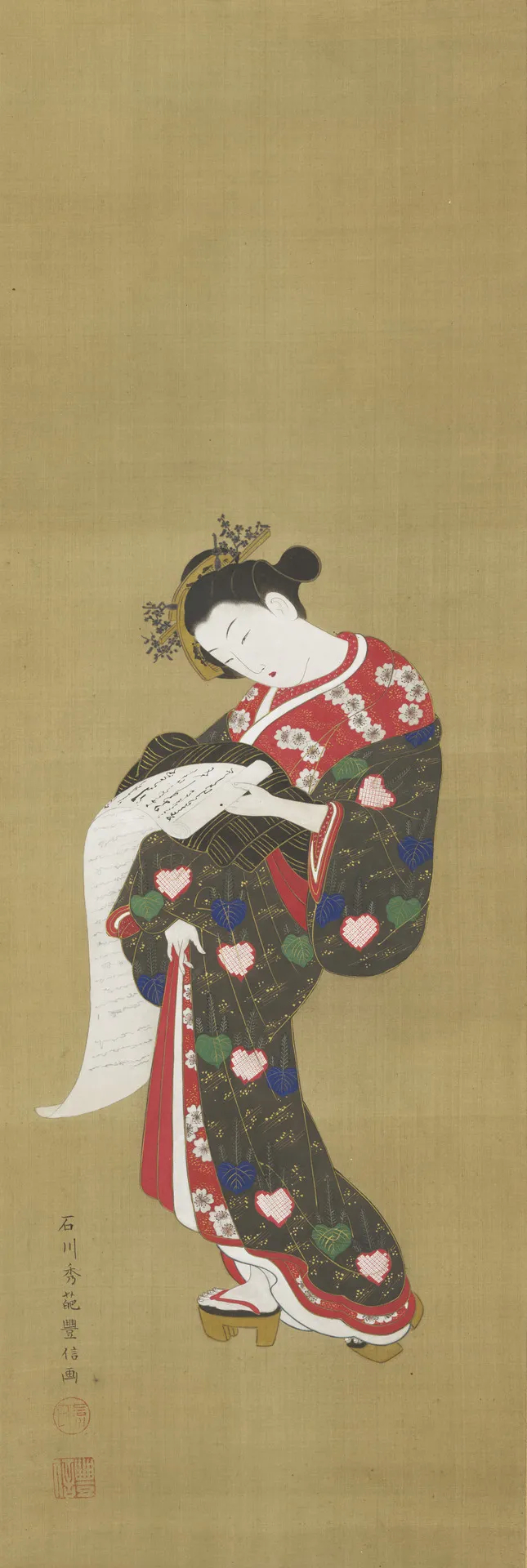
Photo: Ishikawa Toyonobu, Public domain, via Wikimedia Commons
There's a specific kind of heartbreak that doesn't have a Hallmark card. It's not a romantic split. It's not losing a friend. It's the moment you realize the celebrity you've defended in comment sections, streamed on repeat, and low-key built a personality around has said or done something that you simply cannot explain away anymore. So you unfollow. You mute. You quietly pack up three years of parasocial devotion and leave without a word — because they'll never even know you were there.
Welcome to the parasocial breakup. It's messy, it's surprisingly emotional, and it's becoming one of the defining ways Gen Z navigates celebrity culture in 2024.
When Stanning Started to Feel Like a Part-Time Job
For a long time, fan culture operated on a pretty simple premise: you loved someone famous, you supported their work, and in return they gave you music or movies or content that made your life feel a little more interesting. The transaction was clean. Distant, even.
Then social media collapsed the wall between celebrity and audience. Suddenly, your favorite artist was posting their morning routine on TikTok, sharing hot takes on Instagram Stories, and going live from their kitchen at midnight. The intimacy felt real. And when something feels real, disappointment hits like it is real.
Gen Z grew up inside this dynamic. For a generation that came of age with parasocial relationships baked into the algorithm, the emotional investment in celebrities isn't a quirk — it's practically a developmental stage. You didn't just like Taylor Swift or Kanye or whoever your specific hyperfixation was. You knew them. Or at least, you knew the version they let you see. And that distinction? That's where the breakup starts.
The Betrayal Formula
Ask anyone who's gone through a celebrity unfollow spiral and you'll notice the trigger points follow a pattern. It's rarely one thing. More often, it's a slow accumulation — a tone-deaf post here, a suspicious brand deal there, a political non-statement during a moment that demanded clarity — until one day the math just doesn't math anymore.
Psychologists who study parasocial relationships have noted that the brain processes these one-sided bonds through some of the same neural pathways as actual relationships. Which explains why a celebrity posting a poorly worded statement about a humanitarian crisis can genuinely feel like a personal slight. You weren't just a fan. Somewhere along the way, they became part of your identity architecture. When they crack, the whole structure shakes.
And Gen Z, more than any generation before them, has zero patience for the crack-and-patch cycle. They've watched enough accountability theater — the carefully worded apology, the PR-managed comeback, the strategic crying in a YouTube video — to recognize the performance. Once you see it, you can't unsee it.
Inauthenticity Is the Dealbreaker
If there's one thing that will get a celebrity canceled in Gen Z's personal court of opinion, it's getting caught being fake. Not problematic in a complicated, nuanced way — just fake. The influencer who built a brand on relatability and then got papped leaving a $40,000-a-night resort. The activist-adjacent pop star who posts black squares and then headlines a festival sponsored by a corporation with a genuinely terrible track record. The comedian who spent years positioning themselves as an outsider and then showed up to every industry event, smiling for the cameras.
The unfollow in these cases isn't really about the specific offense. It's about the collapse of a narrative you bought into. You didn't sign up to be marketed to. You thought you were witnessing something real.
This is the part that older generations sometimes struggle to understand about Gen Z's relationship to fame. It's not that young people are more sensitive or more easily offended. It's that they have a finely tuned radar for performance — because they grew up watching everyone perform. They can spot a constructed persona from a mile away. And when a celebrity's mask slips, the reaction isn't just disappointment. It's something closer to being conned.
Political Misalignment and the New Loyalty Test
Then there's the political dimension, which has added a whole new layer of complexity to the celebrity-fan contract. In an era where silence is increasingly read as complicity, fans are holding public figures to standards that would have seemed extraordinary even ten years ago.
This isn't entirely unfair. Celebrities with massive platforms wield genuine cultural influence. When they stay quiet on issues that directly affect their audience — gun violence, reproductive rights, racial justice — the quiet lands differently than it used to. It reads as a choice. And for a generation that grew up understanding that everything is a choice, that choice means something.
The breakups that stem from political misalignment tend to be the cleanest. There's no ambiguity, no internal negotiation. The values don't line up. The relationship is over. Some fans document the whole thing in long, thoughtful TikToks. Others just quietly unfollow and redirect their energy toward someone whose values actually track.
Growing Out of the Parasocial Dynamic
Not every celebrity breakup is dramatic, though. Some of them are just... growing pains.
There's a quieter version of this phenomenon that doesn't get talked about as much — the unfollow that happens simply because you've outgrown the version of yourself that needed this particular celebrity to feel seen. The artist whose music got you through a rough patch in high school but now just kind of sits there. The YouTuber whose content once felt like a lifeline but now reads as performative in a way you can't quite articulate. The parasocial relationship served a purpose. That purpose expired.
This is actually the healthiest form of the celebrity breakup, even if it doesn't feel like it in the moment. It means you've done enough internal work that you don't need someone else's curated life to anchor your sense of self. The relationship ran its course. You're both going to be fine.
What the Unfollow Actually Means
Here's the thing nobody really wants to admit: the parasocial breakup says as much about us as it does about the celebrity. The intensity of the disappointment is directly proportional to the intensity of the investment. You don't grieve the loss of a stranger. You grieve the loss of a story you were telling yourself.
And maybe that's okay. Maybe the whole point of celebrity culture — at its best — is that it gives us a canvas for working out who we are and what we value. We project, we invest, we eventually reassess. The unfollow isn't a failure. It's a form of self-editing.
Gen Z is doing something genuinely interesting here. They're treating their cultural consumption like a relationship that requires ongoing consent. They're asking whether the people they give their attention to actually deserve it. They're reserving the right to change their minds without explanation or apology.
That's not parasocial toxicity. That's just people finally treating their own attention like it's worth something.
Because it is.