The Art of the Grand Exit: Why Gen Z Quits Loudly and Never Looks Back
Photo: Martha Susan Baker, Public domain, via Wikimedia Commons
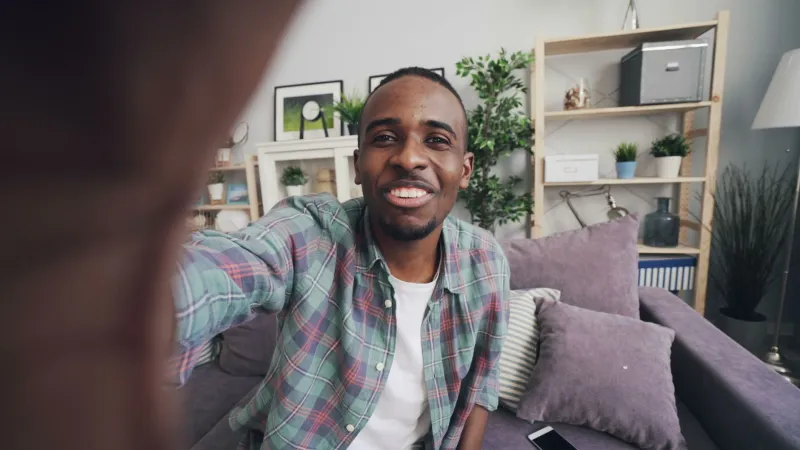
There's a very specific kind of video living rent-free on your For You Page right now. A person — usually somewhere between 19 and 26 — sits in front of their camera, takes a breath, and says something like: "Okay, so I need to talk about why I'm done with [insert creator/fandom/platform here]." What follows is a seven-minute, meticulously structured breakup speech directed at something that never technically had feelings to hurt. And yet? The comment section is absolutely losing it. People are tagging their friends. Someone in the replies is crying. It has 4.2 million views.
Welcome to the Rage-Quit Renaissance — except calling it a rage-quit almost undersells the craft involved.
Leaving Used to Be Private. Now It's Content.
There was a time, not so long ago, when the act of unfollowing someone or drifting away from a fandom was a quiet, personal thing. You'd just... stop watching. Stop buying the merch. Let the Discord server notifications pile up until you eventually left without ceremony. No one needed to know. You barely needed to know.
That era is over.
Now, the departure is the event. Gen Z has transformed the unsubscribe into an art form — complete with a narrative arc, receipts, and occasionally a very pointed Spotify playlist linked in the bio. The farewell post isn't a side note to the exit. It is the exit. The announcement and the action have become inseparable, because what's the point of leaving if no one witnesses you go?
This isn't just about clout-chasing (though, sure, the algorithm rewards a spicy "I'm done" video as reliably as anything else). It's something deeper — a genuine shift in how young adults understand identity, boundaries, and the right to be publicly witnessed in their choices.
The Explanation as Empowerment
Here's what's interesting: these aren't just rageful callouts. Many of the most-shared "I'm leaving" posts are remarkably composed. They're structured. They cite specific incidents, acknowledge nuance, and often include a moment where the person says something like, "I want to be clear that this isn't about hate — I'm just protecting my peace."
That phrase — protecting my peace — has become a kind of thesis statement for a generation that grew up watching adults absorb discomfort silently and call it maturity. Gen Z isn't buying that anymore. The public explanation isn't just about informing the audience. It's a declaration of self-respect. It says: I have standards, I know what they are, and I'm not going to pretend I don't.
Psychologically, there's something real happening here. Articulating why you're leaving something — even to a camera, even to strangers — forces a kind of clarity that a silent unfollow doesn't. It's the difference between slamming a door and writing a letter. One releases pressure. The other builds a record.
And for a generation that has been told their feelings are "too much" since approximately forever, building a record feels revolutionary.
Fandoms, Creators, and the Parasocial Debt We Never Asked For
The stakes feel especially high when it comes to creators and fandoms, because the relationships were never actually mutual — which makes the breakup weirder and somehow more intense.
When you've spent three years watching someone's vlogs, buying their merch, defending them in comment sections, and genuinely incorporating their aesthetic into your own identity, walking away isn't nothing. It's a divestment. Emotionally, financially, sometimes socially — because your friend group might be built around that shared interest. Leaving quietly would mean absorbing all of that loss alone, in private, with no acknowledgment that you were ever really invested in the first place.
The public exit fixes that. It says: I was here. I gave this something. And now I'm choosing differently. It transforms a passive consumer experience into something with agency and narrative. You're not just a fan who stopped watching. You're a person with a story about why.
This is especially visible in the K-pop space, in true crime communities, in gaming fandoms, and increasingly in the world of "lifestyle" creators whose entire brand is built on parasocial intimacy. When those creators do something that violates the implicit contract — whether it's a bad take, a brand deal that feels like a betrayal, or just a slow drift into content that doesn't feel authentic — the departures are operatic. And honestly? Sometimes they should be.
The Platform Breakup Is Its Own Genre Now
It's not just people and fandoms getting the grand exit treatment. Entire platforms are getting dumped on camera.
The "I'm leaving Twitter/X" video has become its own subgenre with recognizable beats. So has the "I'm deactivating Instagram for my mental health" post (often followed by a return within two weeks, which is its own form of content). TikTok itself has been publicly broken up with approximately ten thousand times, usually right before the user posts again the next day.
The performative contradiction is part of the point. It's not hypocrisy so much as it's honesty about the push-pull of platform dependency. Gen Z knows they're hooked. The farewell post is sometimes less of a goodbye and more of a public accountability measure — a way of saying I know this isn't good for me out loud, with witnesses, so maybe this time it'll stick.
And even when it doesn't stick? The attempt meant something. The articulation mattered.
Audiences, Even in Rejection
Maybe the most honest thing we can say about the Grand Exit era is this: we are a generation that has never known a version of ourselves that wasn't, in some way, performing for an audience. That's not an insult — it's just the water we swim in. Identity has always been partly social, partly performed, partly witnessed. The internet just made the audience constant and the performance documented.
So of course our exits are public. Of course we explain ourselves. Of course we want people to see us choosing, refusing, walking away on our own terms. In a media landscape that profits off our attention and our engagement and our loyalty, the decision to withdraw those things is genuinely significant. It deserves to be said out loud.
Leaving quietly was never really the humble, mature option. It was just the invisible one.
And Gen Z, for all its contradictions and performative tendencies and chronically online habits, has figured out something worth holding onto: being seen matters. Even — especially — when you're the one doing the leaving.
So go ahead. Post the goodbye video. Write the farewell thread. Explain, at length, why you're unfollowing. The exit is yours. You might as well stick the landing.